Most brands assume that a video shoot becomes expensive because of cameras, crew, or locations. In reality, budgets usually get wasted much earlier — in unclear goals, weak planning, last-minute changes, and shooting too much content that never gets used.
A smart video shoot is not about spending less everywhere. It is about spending with precision. The brands that get the best results from video do not treat production as a creative gamble; they treat it like a system where every rupee has a purpose.
The Real Budget Problem
The biggest mistake brands make is assuming that a bigger budget automatically means a better video. That is not how production works. A poorly planned shoot can look weaker than a focused smaller one because money alone cannot fix confusion, delays, or indecision.
If a brand does not know the message, audience, format, and distribution goal before the shoot starts, the production team is forced to solve strategy on set.
That is the most expensive place to make strategic decisions because every change affects time, crew, equipment, and post-production.
Start With the End
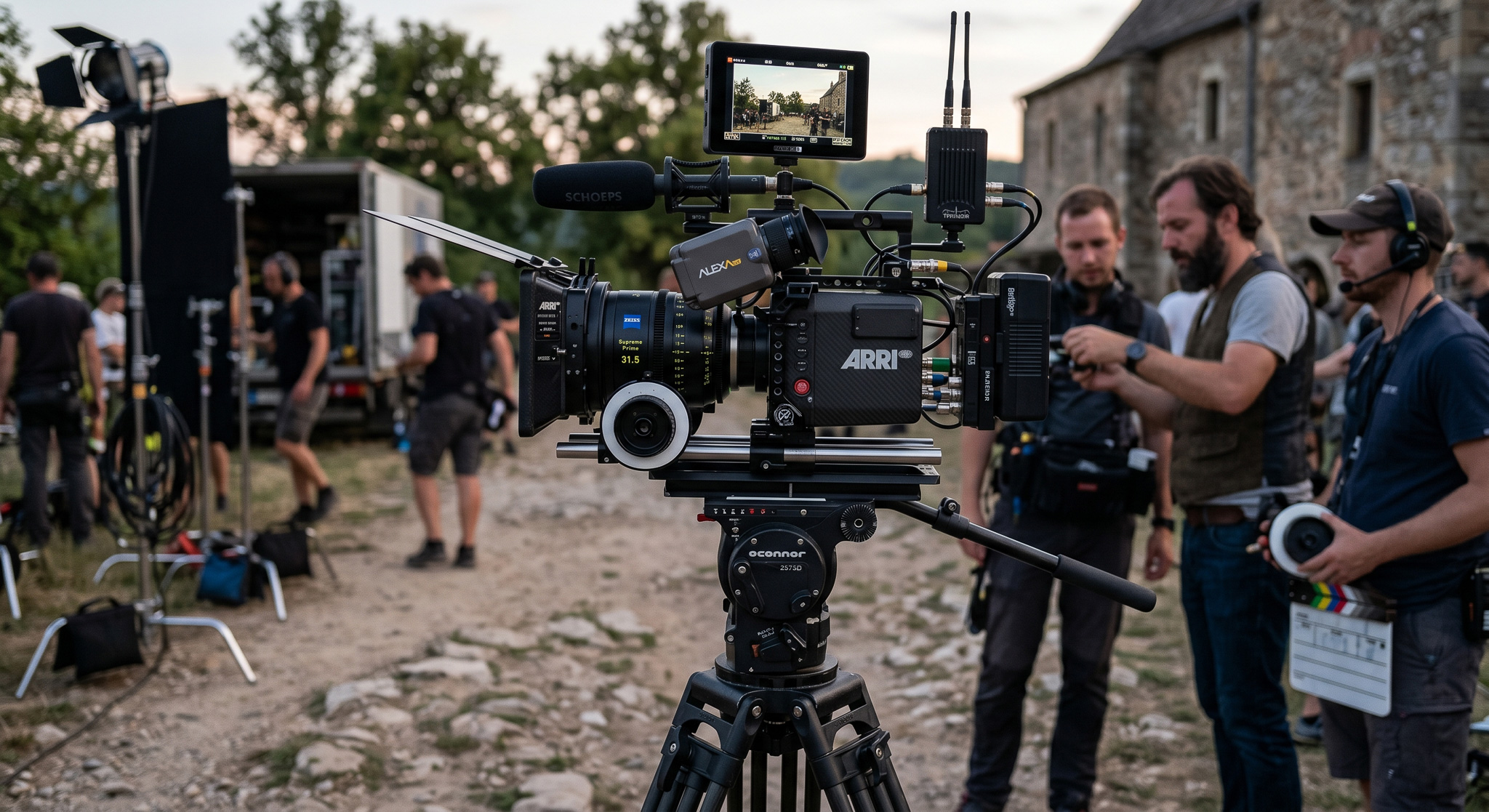
Before booking anything, define what the video must do. Is it supposed to build trust, explain a product, launch a campaign, capture a founder story, or drive direct enquiries? If the outcome is vague, the shoot will become vague too.
A strong brief should answer five things clearly:
- What is the single most important message?
- Who is the audience?
- What action should the viewer take?
- Where will the video live?
- What feeling should it leave behind?
When these answers are fixed early, the shoot becomes sharper, shorter, and cheaper to execute.
The Planning Phase
Pre-production is where most budget is either protected or destroyed. This stage includes scripting, shot planning, location selection, casting, scheduling, and deciding what the shoot does not need.
A brand that skips proper planning usually ends up paying for extra shoot hours, repeated setups, avoidable travel, and post-production confusion. A brand that plans well reduces decision-making on set, which is one of the fastest ways to cut hidden costs.
The smartest approach is to create a tight script and a shot list before the shoot day. Every additional shot should have a reason to exist. If it does not improve the story, clarify the product, or strengthen the brand, it is probably a waste of money.
Spend Where It Matters
Not every line item deserves equal attention. Some parts of production directly affect quality, while others are simply support costs. Brands should protect the budget on areas that the viewer immediately notices: sound, lighting, framing, performance, and editing.
Audio is a perfect example. Viewers will forgive a shot that is slightly imperfect, but they rarely forgive bad audio. Good sound makes a video feel professional; bad sound can make a polished shoot feel cheap instantly.
Lighting is another area where brands should be strategic. Good lighting does not always mean expensive lighting. Often, the best results come from using the right setup in the right location at the right time of day rather than renting unnecessary equipment.
Cut Waste Early
The easiest way to waste budget is to keep adding "just one more thing." One extra location, one extra setup, one extra shot angle, one extra revision — each small addition feels harmless, but all of them compound into real money.
A tight budget works best when the production team commits to a simple rule: every shot must justify itself.
That means fewer locations, cleaner setups, and fewer unnecessary transitions between scenes. The more you move crew and gear, the more you spend on time instead of output.
This is also why brands should avoid overcomplicating the concept. A video does not need ten ideas. It needs one strong idea executed clearly. When the concept is focused, the shoot becomes faster, and the edit becomes cleaner.
Build for Repurposing
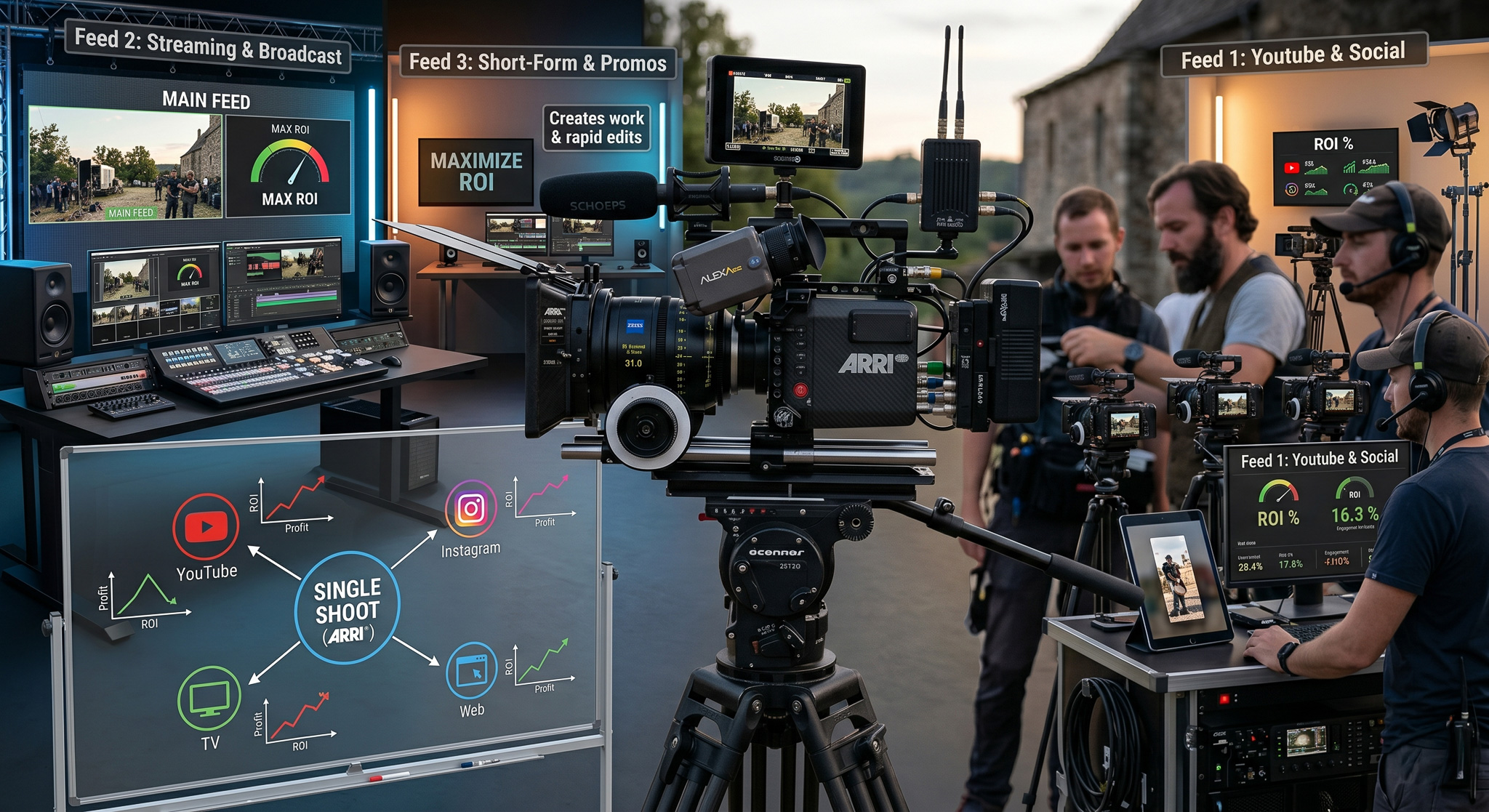
A brand should never plan a video shoot as if the content will only live in one place. One shoot can create a long-form video, short reels, cutdowns, behind-the-scenes clips, and stills for social use if it is planned properly.
That is where budget efficiency becomes powerful. Instead of treating repurposing as an afterthought, design the shoot to capture multiple deliverables from the beginning. This increases the return on the same production day and reduces the need for future reshoots.
In practical terms, the best shoots are not just "videos." They are content systems. One shoot should feed website content, social content, sales content, and ad content wherever possible.
The Hidden ROI Test
Before approving any production expense, brands should ask one brutal question: will this improve the return on the video? If the answer is no, the expense may be creative, but it is not strategic.
This is where many brands confuse ambition with efficiency. High production value only matters if it supports the business goal. A visually impressive scene that does not help the message is not value; it is decoration.
A smart video budget is not built by asking, "What can we add?" It is built by asking, "What is the minimum required to make this work exceptionally well?" That mindset keeps the project focused and usually makes the final output stronger.
Final Perspective
The brands that make the best videos are not always the ones with the biggest budgets. They are the ones that think clearly before spending, simplify decisions before shoot day, and treat every production choice as part of a larger strategy.
If you want a video shoot to feel high-value instead of high-cost, the formula is simple: define the goal, tighten the brief, protect the essentials, avoid unnecessary complexity, and plan the shoot so every frame has a role.
A budget is not just money. It is direction. When a brand uses that direction well, the shoot becomes sharper, the content becomes stronger, and the final video starts working like an asset instead of an expense.